Valentine's Day Friendship Writing Cards: Inspire Kindness
More Than Just a Holiday Activity
February often brings a rush of pink and red, focusing heavily on romantic love. However, for educators, parents, and creative professionals working with children, it presents a unique opportunity to broaden that narrative. Teaching primary students about kindness, friendship, and social skills is a cornerstone of their emotional development. This is where a dedicated resource like the Valentine's Day Friendship Writing Cards packet becomes invaluable. It’s designed not just as a seasonal craft, but as a practical tool to facilitate meaningful conversations about what it means to be a good friend.
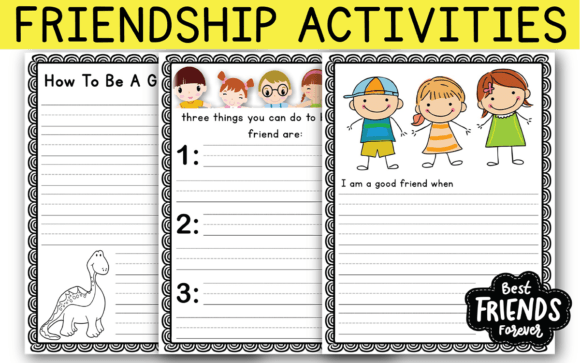
This specific packet moves beyond simple store-bought valentines. It includes three distinct writing templates, thoughtfully designed to guide young learners through the process of expressing appreciation for their peers. By providing a structured yet creative outlet, these cards help children articulate feelings of gratitude and kindness, reinforcing the social skills that are crucial during the primary school years. The inclusion of both PDF and JPG files ensures maximum flexibility for different printing and digital use cases, acknowledging the practical needs of busy teachers and parents.
Visual Design That Supports Learning
The effectiveness of any educational material is heavily influenced by its design. The Valentine's Day Friendship Writing Cards employ a visual style that is engaging without being distracting. The aesthetic is warm, inviting, and age-appropriate, using gentle colors and clean layouts that provide ample space for young writers. This approach aligns with principles of modern typography and editorial design for children—clarity and functionality are paramount. The templates likely feature a blend of friendly sans serif fonts for readability and perhaps playful, handwritten font styles for headings or decorative elements, creating a balanced and approachable look.
For the creative professional—whether a teacher designing a classroom activity, a parent creating a homeschool lesson, or a small business owner producing educational printables—the design of these templates serves as a practical case study. It demonstrates how design assets can be both aesthetically pleasing and pedagogically sound. The layout encourages proper handwriting practice, offers clear prompts, and uses visual cues to help students structure their thoughts. This thoughtful design ensures the cards are not just fun to make, but also serve as a keepsake that parents and recipients will cherish.
Practical Applications in Educational and Creative Settings
The true value of a resource like the Valentine's Day Friendship Writing Cards lies in its versatility. In a classroom setting, these templates can be integrated into a literacy block or a social-emotional learning (SEL) curriculum. Teachers can use them to initiate discussions about empathy, sharing, and resolving conflicts. The act of writing a card to a classmate reinforces positive behavior and builds a sense of community. For homeschooling families, the packet offers a ready-made project that combines art, writing, and character education seamlessly.
Beyond the immediate classroom, the design principles at work are relevant to anyone creating content for young audiences. Packaging design for children’s products, web design for educational websites, or social media graphics promoting family-friendly events all benefit from understanding how to communicate kindness and approachability through visual means. The templates in this packet can serve as inspiration for creating other brand identity materials for schools, daycares, or children’s brands that want to emphasize community and positive relationships.
Choosing and Using Educational Design Resources
When selecting any educational or creative resource, it’s important to consider its alignment with your goals. For the Valentine's Day Friendship Writing Cards, the key is their focused purpose: facilitating friendship-building through guided writing. Here are a few practical considerations:
- Project Fit: Are you looking for a simple craft, or a tool with embedded learning objectives? This packet is designed for the latter, making it ideal for structured activities.
- Readability and Accessibility: The choice of typeface and layout in educational materials is critical. Templates that use clear, legible fonts with appropriate spacing support emergent writers and students with dyslexia or visual processing challenges.
- File Format Utility: The inclusion of both PDF and JPG formats is a practical advantage. PDFs are perfect for high-quality printing, while JPGs can be easily adapted for digital projects, presentations, or even as backgrounds in video calls.
Ultimately, resources that thoughtfully combine creative font choices, intuitive design, and clear educational intent save educators and parents significant time while delivering a higher-quality experience for children. This packet exemplifies how targeted design assets can make a complex task—like teaching social skills—feel natural and enjoyable. By using tools like these, we help children build a foundation of kindness that extends far beyond Valentine’s Day.