Strategic Presentation with the Wirebound Notebook Mockup for Canva
In a digital marketplace saturated with content, the difference between a product that sells and one that gets overlooked often lies in presentation. For creators of planners, ebooks, and educational materials, the challenge is not just producing quality content, but showcasing it in a way that communicates tangible value. The Wirebound Notebook Mockup for Canva is a specific tool designed to bridge this gap, transforming flat digital files into realistic, professional previews. Its strategic utility, however, extends far beyond a simple visual effect; it is a component of a thoughtful branding and marketing workflow.
Understanding the Tool's Core Function
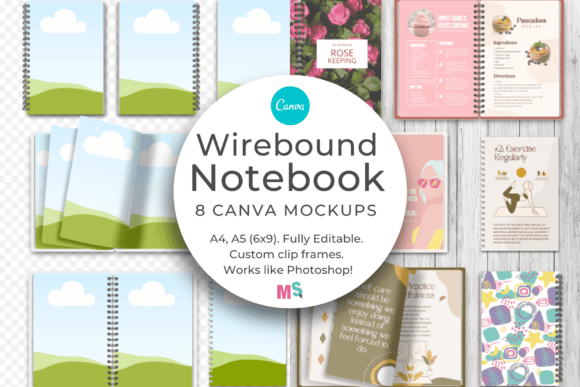
At its essence, this mockup is a pre-designed Canva template that simulates a physical, wire-bound notebook. It is engineered for creators who need to display designs sized for common formats like A4, A5, 6×9, or US Letter. The process mirrors the functionality of advanced software like Photoshop but operates within Canva's accessible, drag-and-drop environment. Users simply download a PDF, click a link to access the Canva template, and then insert their own cover and page designs into custom clip frames. The result is a high-resolution image that looks like a photographed product, complete with realistic shadows, textures, and perspective.
Strategic Application for Brand Positioning
Using a mockup is a deliberate choice about how you position your product in the market. A poorly presented design, even if brilliant internally, can signal a lack of professionalism. Conversely, a product shown in a realistic, high-quality mockup communicates that the creator invests in quality at every stage. This Wirebound Notebook Mockup for Canva allows you to align your visual marketing with the quality of your actual content. For an entrepreneur launching a new planner, this means the sales page images immediately convey a polished, tangible item, building trust before the customer even makes a purchase.
Consider the freelancer pitching a custom ebook design to a client. Instead of sending a static PDF, they can place the design into this mockup and send an image that shows exactly how the final printed product will appear. This small step demonstrates foresight, attention to detail, and a commitment to the client's success, thereby strengthening the professional relationship and justifying premium pricing.
Operational Efficiency and Creative Focus
One of the most significant, yet often overlooked, benefits of a dedicated mockup template is the time it saves. Creating a convincing notebook mockup from scratch in Photoshop requires technical skill and time—resources better spent on content creation, marketing strategy, or business development. This Canva-based solution reduces the process to minutes. For a small business owner managing multiple responsibilities, this efficiency is critical. It allows for rapid iteration; you can quickly generate multiple cover design variations and see which one resonates best in a realistic context, informing better design decisions.
Practical Use Cases and Implementation
The applications for this mockup are diverse, catering to various professionals and goals:
- Product Launches and Pre-orders: Generate compelling social media posts, website banners, and email headers that show your planner or ebook in a relatable setting, driving anticipation and conversions.
- Portfolio Development: Designers and agencies can showcase client work in a portfolio with greater impact, moving beyond flat spreads to images that tell a story of the finished product.
- E-commerce Listings: On platforms like Etsy or Creative Market, high-quality mockup images are essential. This tool provides those images directly within your existing Canva subscription, streamlining your listing creation workflow.
- Internal Presentations: Educators or team leads creating internal training manuals can present them professionally to stakeholders or learners, enhancing perceived value and engagement.
To use it effectively, begin with your final, print-ready designs. Ensure your cover and interior pages are correctly sized for the chosen notebook format. When dragging your designs into the clip frames in Canva, pay attention to alignment and bleed to maintain the realistic illusion. The mockup's power lies in its subtlety; a misaligned design will break the effect.
Avoiding Common Pitfalls
While powerful, relying on any tool without a clear strategy can lead to wasted effort. The primary risk of using the Wirebound Notebook Mockup for Canva is treating it as a universal solution for any visual need. It is specifically suited for products meant to emulate a physical notebook. Using it to represent a digital-only PDF or a spiral-bound planner with a different binding style would be misleading. Always ensure the mockup accurately reflects the actual product's format to manage customer expectations and avoid negative reviews.
Furthermore, overusing a single mockup across all your marketing can make your brand feel static. While this mockup is versatile, consider varying your presentations. Use it for hero images on your sales page, but perhaps combine it with other lifestyle mockups or flat lays for social media to create a richer visual narrative.
Long-Term Value and Brand Cohesion
Consistent, high-quality presentation is a cornerstone of strong branding. By incorporating this mockup into your standard workflow for product launches, you establish a recognizable and professional visual language. Over time, customers will associate the quality of your mockups with the quality of your products. This builds brand equity and fosters loyalty. The mockup becomes not just a one-off tool, but part of a system for presenting your work with intention and consistency.
In conclusion, the Wirebound Notebook Mockup for Canva is more than a template; it is a strategic asset for anyone serious about presenting their digital creations in the physical world. Its value is realized when used with clear intent—to enhance professionalism, save operational time, support better decision-making in design, and ultimately, to communicate the true worth of your product to your audience. By integrating it thoughtfully into your planning and marketing efforts, you move beyond simply displaying a design and begin crafting a compelling product experience from the very first glance.