Mastering ChatGPT Prompt Engineering: From Vague Requests to Powerful Results
You type a question into ChatGPT, hit enter, and wait. The response comes back, and it's... fine. It's generic, a little flat, and not quite what you envisioned. You try again, rephrasing slightly, but get a similar lackluster result. This is the common friction point for most people using AI. They treat it like a search engine, not a collaborative partner. The difference between getting a mediocre paragraph and a brilliant, nuanced piece of work often comes down to one critical skill: prompt engineering.
At its core, ChatGPT prompt engineering is the art and science of communicating with an AI model to achieve a specific, high-quality outcome. It's not about learning to code or becoming a technical expert. It's about learning to give clear, structured instructions that guide the AI's vast knowledge. Think of it as being a director. You wouldn't tell an actor, "Just be sad." You'd provide context, motivation, and specific actions. The same principle applies to AI. The better your direction, the better the performance.
The Most Common Pitfall: Treating AI Like a Mind Reader
The single biggest mistake beginners make is assuming the AI understands their context, audience, or unstated goals. When you ask, "Write me a social media post," you're leaving everything to chance. The AI has to guess the platform (LinkedIn? TikTok?), the tone (professional? humorous?), the target audience (executives? teenagers?), and the core message. This vagueness is the root cause of generic, unusable output.
The Consequence: You spend more time editing, regenerating, and feeling frustrated than you would have spent writing the content yourself. The efficiency promise of AI evaporates.
The Better Approach: Be a director. Provide a clear brief. Instead of the vague request, try this: "Act as a social media manager for a sustainable fashion brand. Write a 3-paragraph LinkedIn post for environmentally conscious professionals in their 30s-40s. The goal is to introduce our new recycled-material jacket. Use an informative yet approachable tone, include a statistic about textile waste, and end with a question to drive engagement."
This prompt works because it establishes a role, defines the context, specifies the format, identifies the audience, states the goal, and sets the tone. You've engineered the prompt for success.
Overlooking the Power of Structured Frameworks
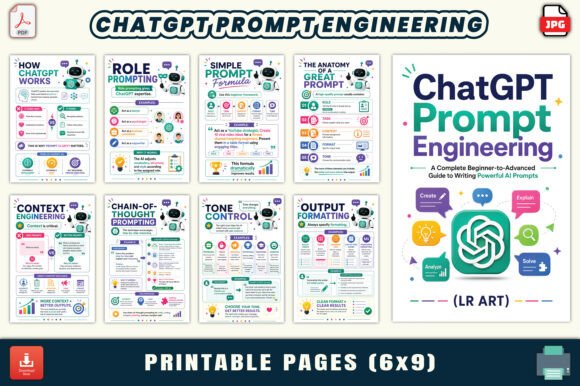
Many users jump straight to asking questions without a framework, leading to meandering or incomplete responses. A powerful, yet simple, framework is Context + Instruction + Format + Examples. This structure acts as a blueprint for the AI, minimizing guesswork.
Let's break down a weak prompt: "Give me ideas for a blog post."
A structured alternative: "I'm a productivity coach writing for freelance writers who struggle with procrastination (Context). Generate 5 blog post title ideas that promise a specific, actionable benefit (Instruction). Present them as a numbered list (Format). For example, 'The 5-Minute Start Method: How to Overcome Blank Page Paralysis' (Example)."
Why This Matters: Structured prompts leverage a technique called context engineering. You're not just asking for information; you're building the mental space in which the AI operates. This leads to more relevant, targeted, and immediately useful ideas, saving you significant brainstorming time.
The Misunderstanding of "Advanced" Techniques
There's a belief that advanced prompt engineering requires complex jargon. In reality, the most advanced technique is often clarity. However, specific methods like Chain-of-Thought (CoT) prompting can unlock dramatically better results for complex tasks. CoT simply means asking the AI to explain its reasoning step-by-step before giving a final answer.
Common Mistake: Asking a direct question for a multi-step problem. "What's the best marketing strategy for my new app?" This often yields a broad, generic list.
Advanced Application: "I've developed a language-learning app for adults. My budget is limited. Let's think through this step-by-step. First, analyze the pros and cons of three potential channels: TikTok ads, influencer partnerships, and content marketing. Then, based on a limited budget, recommend the single most effective channel and outline a 30-day launch plan for it."
By prompting for a chain of thought, you force the AI to slow down, consider variables, and build a logical argument. The resulting strategy is far more reasoned, detailed, and tailored than a top-of-mind list.
Evaluating Resources: What to Check Before You Download or Buy
The market is flooded with prompt guides and templates. Choosing poorly can waste money and, more importantly, teach you ineffective habits. Before investing in any resource on ChatGPT prompt engineering, perform these checks:
- Does it teach principles or just give fish? A good guide explains why a prompt works. A poor one just gives you a list of copy-paste prompts that will quickly become outdated as AI models evolve. You need to learn the skill of fishing.
- Is it practical and actionable? Look for guides that include real-world examples across different fields—marketing, coding, business strategy, creative writing. The theory must connect to your daily tasks.
- Does it address different use cases? A quality resource should cover techniques for content generation, data analysis, brainstorming, and automation. It should show you how to adapt your prompting style for each goal.
- Is the creator experienced? Experience, Expertise, Authoritativeness, and Trustworthiness (E-E-A-T) matter. Look for creators who are practitioners—marketers, writers, developers—who use these techniques in their own work and can show proven results.
Your Actionable Path Forward
Improving your prompt engineering skills is an immediate productivity multiplier. Start by applying one change to your next interaction: add context. Define who you are, who you're talking to, and what you want to achieve. Experiment with asking the AI to adopt a role, like "Act as a seasoned financial advisor" or "You are a creative director."
Move from being a passive user to an active director. The true power of AI isn't unlocked by a magic keyword; it's unlocked by clear, structured communication. By avoiding the pitfalls of vagueness and embracing frameworks, you transform ChatGPT from a novelty into a powerful, efficient partner in your work and creativity. The investment in learning this skill pays dividends in saved time, higher quality output, and a genuine competitive advantage in an AI-driven world.