PDF Pattern for Trick or Treat Bags: A Practical Guide to Crafting Durable, Reusable Halloween Totes
The annual challenge of Halloween preparation often involves a clash between fleeting holiday spirit and practical utility. For parents, guardians, and crafters, the goal is to provide children with a vessel for candy that survives the night and offers value afterward. A PDF Pattern for Trick or Treat Bags serves as a foundational blueprint in this creative workflow. It transforms a simple idea—collecting candy—into a tangible, high-quality project that aligns with broader goals of sustainability, personalization, and efficient planning. This specific pattern creates a fully lined, 11-inch square bag with a 3-inch depth, designed for longevity. Understanding its role in your project lifecycle ensures a smooth process from digital download to the final, sturdy tote.
Integrating the Pattern into Your Creative Workflow
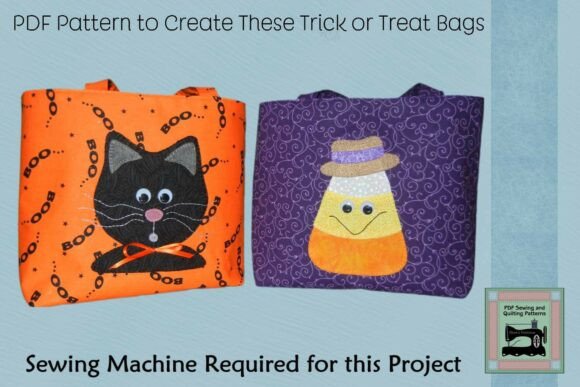
A PDF pattern is more than a set of instructions; it is a planning tool. Before purchasing fabric or threading a needle, the pattern dictates your material list and timeline. For this trick or treat bag project, the workflow begins with preparation and procurement. The pattern specifies dimensions and structural requirements, allowing you to calculate fabric yardage, interfacing needs, and thread colors accurately. This prevents mid-project interruptions and budget overruns. By reviewing the full-color photos and clear pattern pieces first, you can identify potential challenges, such as the appliqué techniques for the black cat and candy corn designs, and decide whether to hand or machine appliqué based on your available tools and skill level.
From Digital File to Physical Asset
The transition from a digital PDF to a physical pattern piece is a critical step in the process. Efficient makers treat the PDF Pattern for Trick or Treat Bags as a master template. Print all pages at actual size, verify the test square, and assemble the pieces. Consider tracing the main bag and appliqué templates onto sturdy cardboard or template plastic. This creates a reusable asset. While the PDF is the source, these physical templates become part of your crafting toolkit for years, enabling you to replicate or modify the project without reprinting. This practice is especially valuable for the appliqué motifs, which can be adapted for other Halloween decor or future projects.
Practical Implementation: Beyond the Basic Assembly
The true value of a well-designed pattern emerges during implementation. This pattern’s fully lined construction and sturdy handle are not just features; they are solutions to common problems. A lined bag prevents candy wrappers from snagging on raw seams, and a reinforced handle supports the weight of a full haul. When following the instructions, focus on quality control at each stage. Press seams consistently. Interface the handle and bag top as directed to ensure durability. These process-oriented steps are what elevate the project from a disposable craft to a reusable tote bag suitable for trips to Grandma’s house or the library.
Customization and Scalability
A practical pattern functions as a flexible framework. The instruction to "add a few inches to the height and or width" for a larger bag is a key workflow insight. This is where the pattern transitions from a rigid guide to a scalable tool. Before cutting your fabric, consider the user. A younger child may need a smaller, lighter bag, while an older trick-or-treater might require more capacity. Use the base pattern to draft adjusted pieces. This adaptability makes the initial investment in the pattern worthwhile for families with children of different ages or for crafters making gifts. The appliqué designs can also be scaled or repositioned to suit the new dimensions, maintaining visual balance.
Workflow Integration: Timing and Collaboration
Effective project management involves scheduling. The PDF Pattern for Trick or Treat Bags fits into a broader seasonal workflow. Start this project in early autumn to avoid last-minute stress. Break the process into manageable sessions: one for printing and tracing, one for cutting fabric and interfacing, one for appliqué, and one for final assembly. This segmented approach prevents fatigue and maintains quality. For those crafting with children, the appliqué step offers a collaborative opportunity. The pattern’s clear templates allow even novice sewers to participate, transforming the project from a task into a shared creative activity. The result is not just a bag, but a memory integrated into the holiday tradition.
Tool and Resource Synergy
This pattern does not exist in isolation; it interacts with your existing tools and resources. Your sewing machine, iron, scissors, and cutting mat are the primary execution tools. The pattern’s compatibility with both hand and machine appliqué means you can leverage your preferred method. If you are a quilter, you may have fusible web and decorative threads on hand. If you are a general sewist, you can use basic cotton and a simple zigzag stitch. The pattern also synergizes with your material stash. Scraps of black, orange, and yellow fabrics are perfect for the appliqués, making this an excellent project for using up remnants. This integration minimizes waste and maximizes the utility of your existing supplies.
Long-Term Use and Outcome Optimization
The ultimate goal of this project extends beyond Halloween night. The design’s durability means the bag becomes a year-round asset. After the candy is gone, it serves as a perfect small tote for toys, books, or craft supplies. This long-term utility is a direct outcome of following the pattern’s construction guidelines. To optimize for longevity, consider fabric choice. A medium-weight cotton or canvas will withstand repeated use. Reinforce the handle attachments with a box stitch for added strength. By focusing on these implementation details, you ensure the bag fulfills its dual purpose: a festive Halloween accessory and a practical, lasting tote. This aligns with a mindful approach to making, where effort is invested in creating items that provide ongoing value.
In summary, the PDF Pattern for Trick or Treat Bags is a comprehensive tool for efficient, purposeful creation. It guides preparation, offers flexibility for customization, integrates with your workflow and tools, and results in a product with lasting utility. By viewing the pattern as part of a larger process—from planning and execution to long-term use—you can streamline your project, enhance the quality of your output, and create a Halloween tradition that is both fun and functionally sound. The clear instructions and templates empower you to produce a professional result, whether you are a seasoned crafter or a dedicated beginner aiming for a high-quality outcome.