Navigating Design Workflows for the 16 Pro Max iPhone Case Canva Template
The introduction of a new smartphone generation invariably sparks a surge in the custom accessories market, and the iPhone 16 series is no exception. For designers, entrepreneurs, and creative hobbyists, this presents a significant opportunity. The 16 Pro Max iPhone Case Canva Template emerges as a specific resource designed to streamline the creation of customized phone cases. This type of template is not merely a simple outline; it is a comprehensive design kit intended to bridge the gap between a creative idea and a physical product. It provides the necessary digital files and a user-friendly editing environment, primarily through Canva, to produce designs for sublimation printing, direct-to-garment (DTG) applications, and other manufacturing methods. Understanding its components, strengths, and ideal use cases is crucial for anyone looking to efficiently produce high-quality, custom iPhone 16 cases.
Deconstructing the Template: More Than Just an Outline
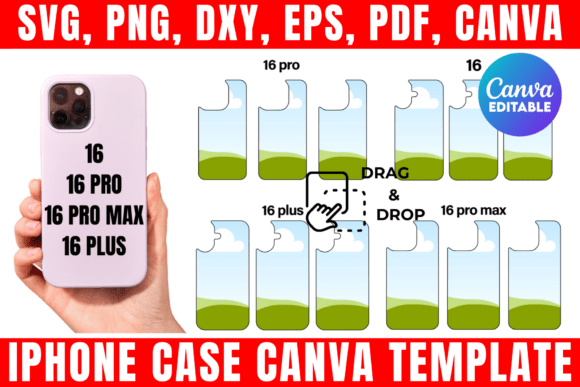
A robust 16 Pro Max iPhone Case Canva Template is distinct because it is a multi-format package built for versatility. At its core, it provides the precise dimensions and cutout specifications for the iPhone 16 Pro Max, accounting for the camera module, buttons, and ports. However, its value lies in the variety of included files, each serving a different purpose in the design and production pipeline.
The package typically includes several key file types:
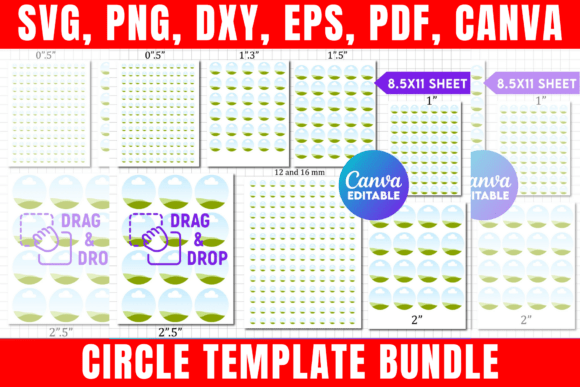
- SVG (Scalable Vector Graphics): This is the cornerstone for users of cutting machines like Cricut and Silhouette. The SVG file allows for perfect scaling without loss of quality, ensuring that the physical cut of the case material is precise. It is also fully editable in vector-based software like CorelDraw, Inkscape, and Adobe Illustrator.
- PNG (Portable Network Graphics): The inclusion of a high-resolution PNG with a transparent background is critical for digital design. It allows designers to overlay their artwork onto mockups, use it as a layer in Photoshop, or import it into other design platforms without a cumbersome white box around it.
- DXF (Drawing Exchange Format): Specifically included for users of Silhouette Studio's basic (free) edition, the DXF file ensures broad compatibility with one of the most popular hobbyist cutting machines on the market.
- PDF (Portable Document Format): A PDF with a solid white background is often used for printing physical templates. A designer can print this on standard paper to check the scale and placement of their design elements before committing to expensive sublimation blanks.
- Canva Link: This is the defining feature for many users. A direct link to an editable Canva template democratizes the design process. It allows individuals without professional software like Adobe Photoshop to engage in drag-and-drop design, upload their own graphics, add text, and manipulate elements within a pre-sized, correctly formatted canvas.
This multi-file approach ensures that whether a user is a professional graphic designer using Adobe Illustrator or a small business owner using Canva for the first time, the 16 Series Case Templates provide a viable starting point.
Evaluating the Workflow: Canva vs. Professional Design Software
The primary distinction of a 16 Pro Max Template that includes a Canva link is its accessibility. Canva operates on a freemium model and is renowned for its low learning curve. For someone creating a small batch of personalized cases for a local market or as gifts, this is often the most efficient path. The workflow is linear: access the template, upload photos or use Canva's library, arrange elements, and download the final design for printing or cutting.
However, this convenience comes with tradeoffs when compared to workflows using professional software like Adobe Photoshop or Illustrator. A professional environment offers:
- Advanced Color Management: For sublimation printing, precise color profiles (like CMYK or specific ICC profiles for your printer and blanks) are essential to ensure what you see on screen is what you get on the case. Canva's color management is more basic and can sometimes lead to unexpected color shifts in the final printed product.
- Superior Layer and Masking Control: Creating complex, multi-layered designs or applying effects like clipping masks is far more powerful and non-destructive in Photoshop. Canva's tools, while improving, can feel limited for intricate artwork.
- Resolution and Output Control: Professional software gives you granular control over the resolution (DPI) and format of your final export. This is vital for ensuring the 16 Pro Case Sublimation Template yields a crisp, non-pixelated image on the physical case.
Therefore, the choice isn't about which is "better" in an absolute sense, but which is the right fit. A hobbyist or a startup testing a product line may find the Phone Case 16 Template Canva link to be the perfect tool for rapid prototyping and small runs. A professional print shop or a designer creating complex, brand-consistent artwork will likely use the SVG or PNG files as a foundation within their established professional software workflow.
Best-Fit Scenarios and Practical Applications
Determining if a 16 Pro Max iPhone Case Canva Template is the right choice depends on your specific goals, skills, and scale of operation. It excels in several key scenarios.
Ideal For:
- Small Business Owners and Etsy Sellers: For entrepreneurs who want to offer custom iPhone 16 cases, this template package provides a low-barrier-to-entry solution. The Canva link allows them to quickly create mockups for their online store and fulfill individual customer orders with personalized photos or monograms without investing in complex software.
- Event Planners and Corporate Gifting: Creating a batch of branded cases for a corporate event, wedding, or special occasion is straightforward. A single designer can use the template to produce a consistent design across all cases efficiently.
- Hobbyists and DIY Enthusiasts: Individuals who own a Cricut or Silhouette machine and want to create unique cases for themselves or as gifts will find the included SVG and DXF files perfectly suited to their needs. The Canva link can serve as a simple way to compose the design before moving to the cutting software.
When to Consider an Alternative Approach:
You may need a different resource if your work involves:
- High-Volume, Mass Production: While excellent for on-demand and small-batch production, a template designed for individual customization might not be optimized for the automated workflows of large-scale manufacturing. In such cases, industrial design files from the case manufacturer are typically required.
- Highly Complex Artwork: If your designs rely on advanced vector manipulation, custom patterns, or sophisticated photo compositing, starting from a blank canvas in a professional program, using only the template's dimensions as a guide, might offer more creative freedom.
- Strict Brand Color Requirements: For corporate clients with exact Pantone color requirements, the limitations of Canva's color system may be a significant drawback. A professional software workflow is almost always necessary to guarantee color fidelity.
Key Considerations Before Using a Template
Before committing to a 16 Pro Case Sublimation Template, it's wise to evaluate the package beyond the file list. The terms of use are particularly important. Most templates of this nature are licensed for personal use and for creating physical products for sale, but explicitly forbid the redistribution or resale of the digital template files themselves. This protects the original creator's work while enabling your business.
Another critical factor is the source and quality of the template. Since this is a digital product, there is no physical item to inspect. Look for sellers who provide clear previews, detailed descriptions of what is included, and ideally, customer reviews or examples of finished products. A well-made 16 Series Case Templates pack will have clean vector lines and correctly measured cutlines, saving you from material waste and frustration.
Finally, assess your own technical readiness. While the Canva link simplifies the design process, basic knowledge of your chosen platform is still recommended. For Cricut and Silhouette users, understanding how to import files, set material types, and adjust blade pressure is part of the necessary skill set. The template provides the map, but you still need to know how to drive the machine.
In conclusion, the 16 Pro Max iPhone Case Canva Template and its associated files represent a practical and accessible resource for a wide range of creators. Its strength lies in its multi-format flexibility and the low barrier to entry provided by the Canva integration. By carefully considering your project's scale, complexity, and your own technical expertise, you can effectively determine if this type of template is the right tool to bring your custom iPhone 16 case designs to life. It serves as a powerful starting point, enabling creativity without requiring a significant initial investment in software or specialized knowledge.